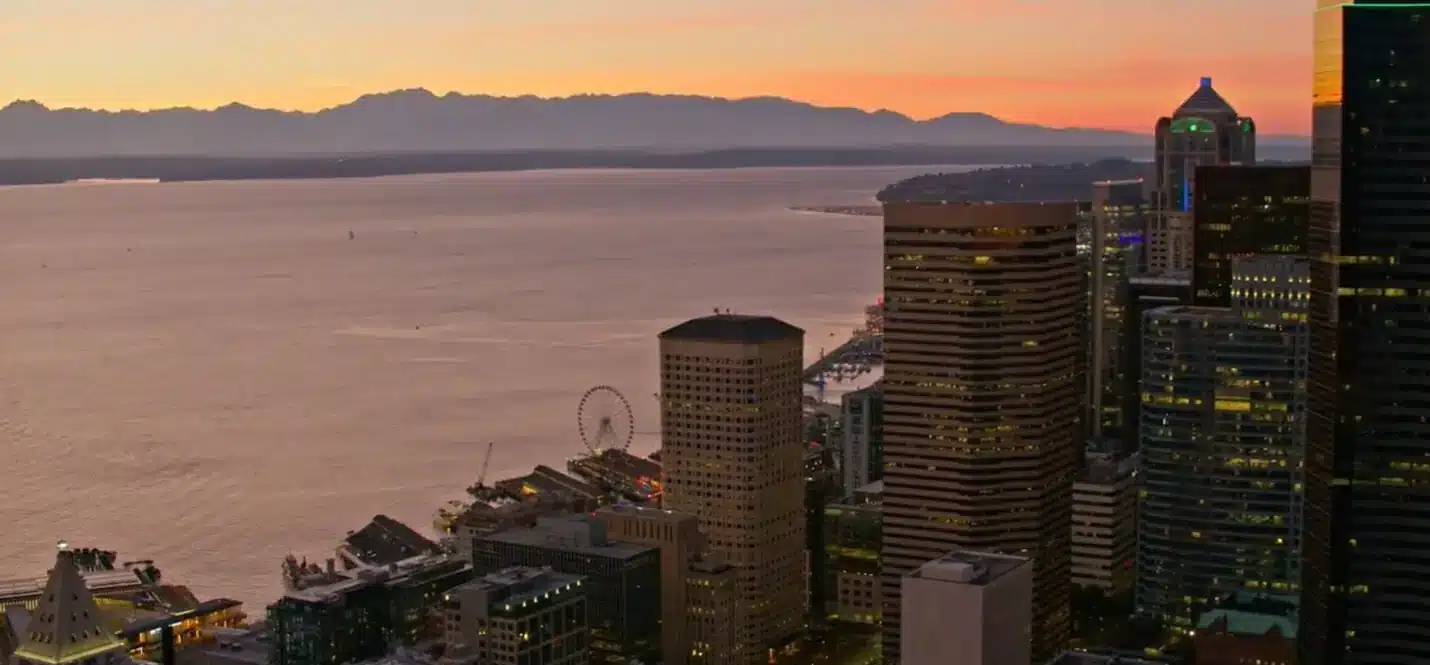
Across the Pacific Northwest, conversations about power reliability have changed. Storms feel more intense and less predictable. Wind and rainstorms now bring outages that once felt rare. At the same time, electric bills across Washington State continue to rise, often year after year, with few options for homeowners trying to manage household costs. Seattle Times coverage on Washington utility rate increases
These trends are closely connected. Severe weather is the leading cause of large-scale, long-duration outages, but utilities still experience many small outages from equipment failures, vegetation, and maintenance issues.
From a technical perspective, grid reliability has become one of the most stressed parts of Energy in Western Washington, as the system is being asked to perform under conditions it was never designed for — greater variability, rising demand, and more frequent extreme weather events due to climate change.
A System Designed for a Different Era

The electric grid serving Washington and the broader Puget Sound region was built around a centralized model. Large power plants generated electricity and delivered it over long transmission lines to homes and businesses. For decades, this approach worked reasonably well, supported by abundant hydropower and relatively predictable demand.
Long transmission lines create unavoidable points of vulnerability. A single downed line, damaged substation, or overloaded corridor can leave thousands of customers without power.
At the same time, demand continues to rise. Electrification is accelerating across the region, with electric vehicles, heat pumps, and all-electric homes adding new loads. But residential electrification is only part of the picture.
The Quiet Pressure of Data Center Growth in the PNW
In the Pacific Northwest, grid demand is also being shaped by changes most homeowners never see directly. Washington has become a major hub for data centers, with new facilities operating in and around the Puget Sound area and large campuses concentrated in Central Washington. These facilities support cloud computing, artificial intelligence, and enterprise infrastructure — and they draw significant power around the clock.
Unlike residential or commercial loads that fluctuate by time of day or season, data centers operate continuously. This raises the grid’s baseline demand. Even when weather is mild and residential usage is moderate, the system is carrying more load than it did a decade ago.
During storms, cold snaps, or peak demand events, that elevated baseline leaves less margin for error. Utilities must manage short-term surges on top of an already stressed system, increasing the risk of outages and accelerating wear on infrastructure. For homeowners, this helps explain why reliability can feel more fragile even outside of major storm events — and why system upgrades and rate increases are becoming more common across the region.

Distributed Energy Changes the Equation

Distributed energy offers a fundamentally different approach. Instead of relying entirely on distant generation and long transmission lines, energy can be produced and stored closer to where it is actually used.
Homes with solar and battery systems store energy when it is available and reduce demand when the grid is under stress. This matters because peak demand — not average usage — is what drives many of the grid’s most expensive and failure-prone moments.
For homeowners in the Pacific Northwest, distributed energy can provide:
- More predictable long-term energy costs
- Protection during outages caused by storms or grid failures
- Reduced exposure to peak pricing and rate volatility
For the grid, these systems absorb variability that would otherwise strain centralized infrastructure. Instead of a one-way delivery model, energy becomes more flexible. Power can flow in more than one direction, and when parts of the grid are compromised, local systems can continue operating.
Distributed energy does not replace the grid. It reduces stress at the moments when reliability is most at risk https://www.energy.gov/topics/distributed-energy-resources.
Why Home Batteries Matter Beyond Backup
Residential battery systems are often discussed as personal backup solutions, and that benefit is real. Stored energy can keep essential systems running quietly and cleanly, without fuel deliveries or emissions — an important consideration during extended outages.
But the broader impact matters just as much.
When many homes reduce demand simultaneously, especially during peak events, the overall system becomes easier to manage. Utilities rely less on emergency generation. Outage recovery improves. Strain on transmission infrastructure decreases. In regions like Puget Sound, where dense populations depend on shared infrastructure, this distributed flexibility plays an important role in system stability.
In this way, residential battery storage becomes part of the region’s reliability strategy, even though it is owned and operated at the household level. It allows homeowners to gain control over reliability and cost while contributing to a grid that is less brittle overall.
Planning and Policy Are Beginning to Catch Up
Energy planning in Washington State is slowly beginning to reflect these realities. Utilities and regulators increasingly recognize that distributed energy is not a niche solution, but a practical tool for improving reliability and managing peak demand.
Programs like demand response, virtual power plants, and evolving incentive structures point in this direction. Time-of-use rate designs are also becoming more common, rewarding households that can shift or reduce demand during peak periods Residential Battery Backup Incentives Pending.
These policy changes are not about forcing new technology onto the system. They reflect a recognition that the traditional model — simply building larger centralized assets — cannot be scaled indefinitely to meet modern conditions. Distributed energy offers a way to improve resilience and flexibility without waiting decades for large-scale infrastructure rebuilds.
Reliability Built from Many Small Supports
The future of grid reliability in the Pacific Northwest will not be secured by a single breakthrough or by building ever-larger power plants alone. It will come from distributing risk, adding flexibility, and allowing energy to move in more than one direction.
Distributed energy strengthens the grid by reducing peak demand, localizing resilience, and easing the strain on aging infrastructure. It aligns with the region’s clean energy goals while addressing the practical realities of weather, growth, and rising demand.
A Homeowner’s Perspective in the PNW

For homeowners across Puget Sound and the surrounding region, these issues are increasingly personal. Outages disrupt daily life. Electric bills feel less predictable every year. Waiting decades for system-wide infrastructure upgrades offers little comfort when the next storm arrives or rates increase again.
Solar paired with battery storage gives households a way to plan ahead. Thoughtfully designed systems provide control, stability, and protection without relying entirely on centralized fixes. They allow homeowners to manage rising energy costs, maintain power during outages, and participate in a more resilient energy network.
The grid of the future will depend on decisions made both centrally and locally. What happens at individual homes matters more than it once did. Reliability improves not just through scale, but through design, flexibility, and shared responsibility.
That shift is already underway across the Pacific Northwest. For many households, preparation isn’t about predicting the future — it’s about not being caught off guard when the next outage or rate increase arrives.